
A disciplined roofing process built for Florida weather, hidden-detail quality, and cleaner customer communication.
This page combines a disciplined field process with best-practice roofing principles: clear inspection, material verification, controlled tear-off, strong dry-in and flashing discipline, balanced ventilation planning, cleanup, and long-term accountability.
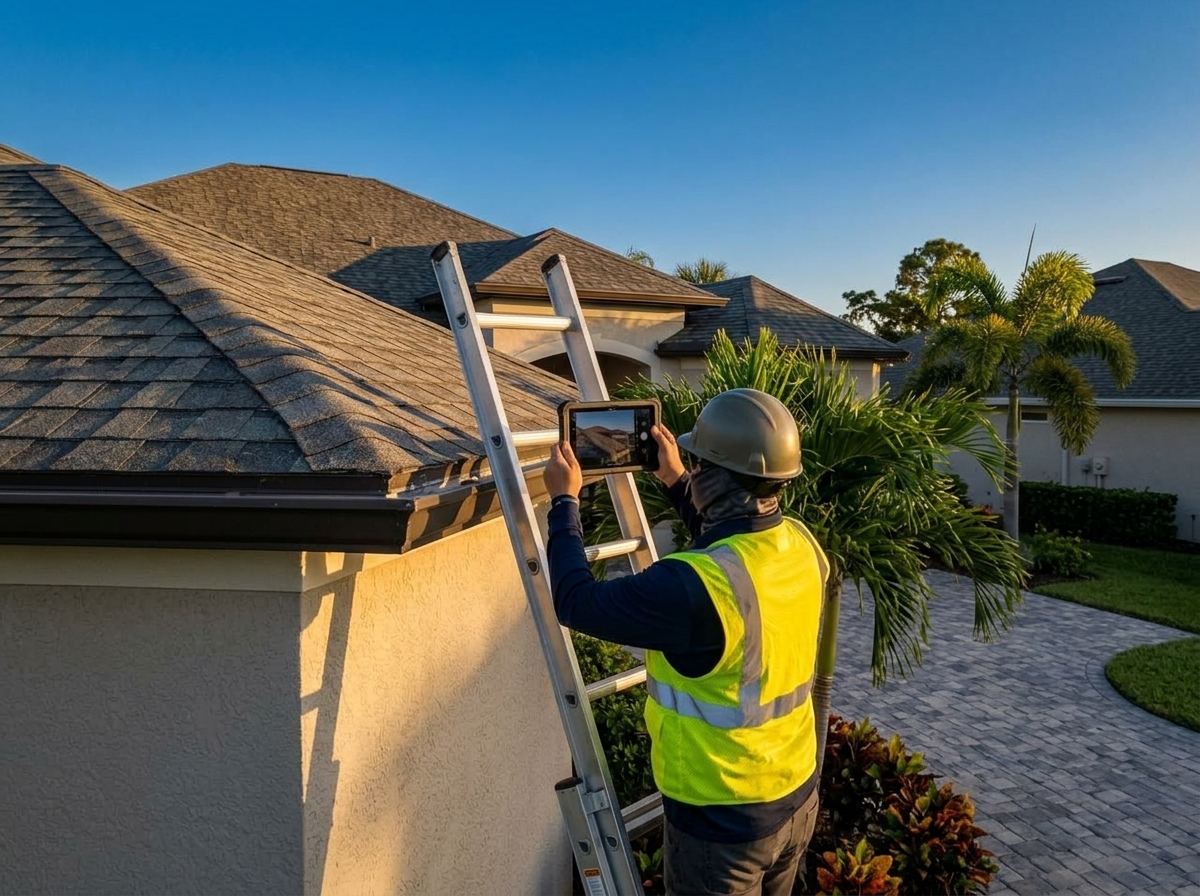
Step 1 of 6
Inspect, document, and explain the roof before recommending the work.
The first job is clarity. Homeowners should understand what is happening on the roof and why the recommendation makes sense.
- Evaluate visible wear, transitions, flashing, valleys, penetrations, and storm-related damage
- Turn findings into photos the homeowner can actually review, not just a verbal summary
- Explain whether the roof needs targeted repair, monitored follow-up, or proactive replacement

Step 2 of 6
Specify the system, not just the shingle.
The right comparison is not simply between brands or colors. It is between complete roof systems that differ in underlayment, membrane coverage, fasteners, flashing quality, valley treatment, penetration details, ventilation strategy, and reinforcement at the edge.
- Define whether the customer is looking at Standard, Performance, Premium, or Metal
- Explain which hidden components are changing between options, and what's code-compliant versus upgraded
- Align the recommendation with budget, risk tolerance, and long-term goals
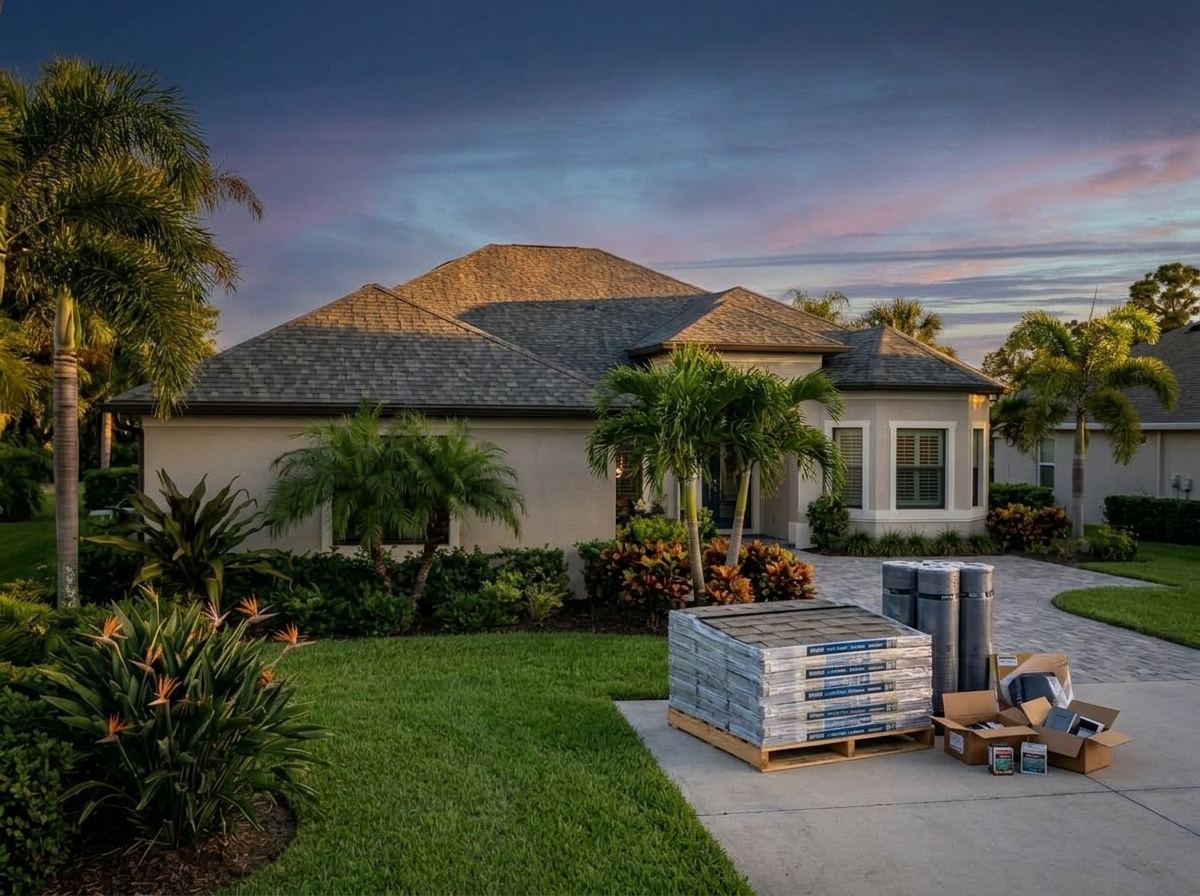
Step 3 of 6
Verify materials before the roof is opened up.
You see what was delivered before the work begins, so there are no surprises about what is going on your home.
- Compare what arrived against the approved proposal before any work starts
- Confirm bundles, underlayment, membrane rolls, and ventilation components all match the specified system
- Create a cleaner handoff from proposal to installation, so hidden substitutions are less likely
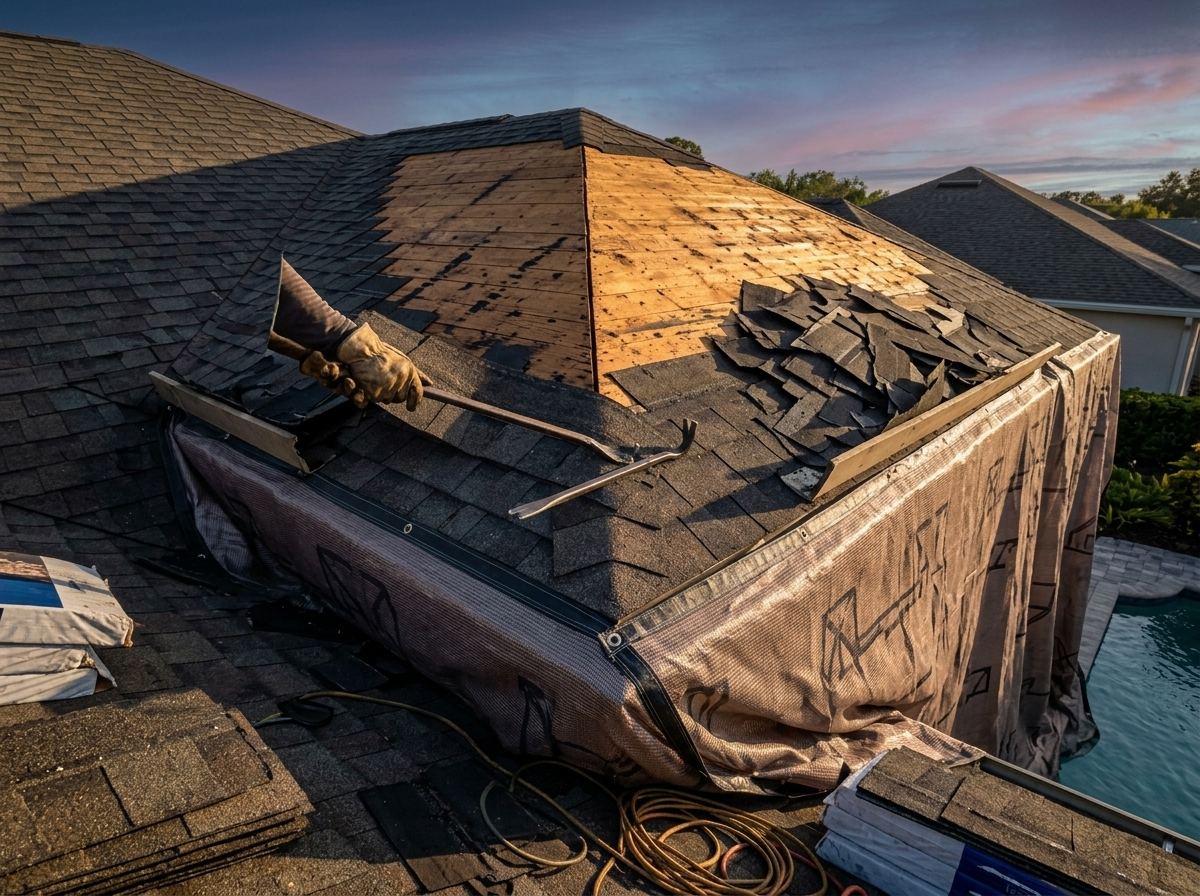
Step 4 of 6
Protect the property and run a controlled tear-off.
Best-in-class installation is about risk control during the job, not just the final photo.
- Protect landscaping, AC units, pavers, gutters, and adjacent work zones before removal starts
- Remove the roof in manageable sections to limit exposure during Florida weather
- Inspect the deck for soft spots, damage, or fastening concerns as each section opens
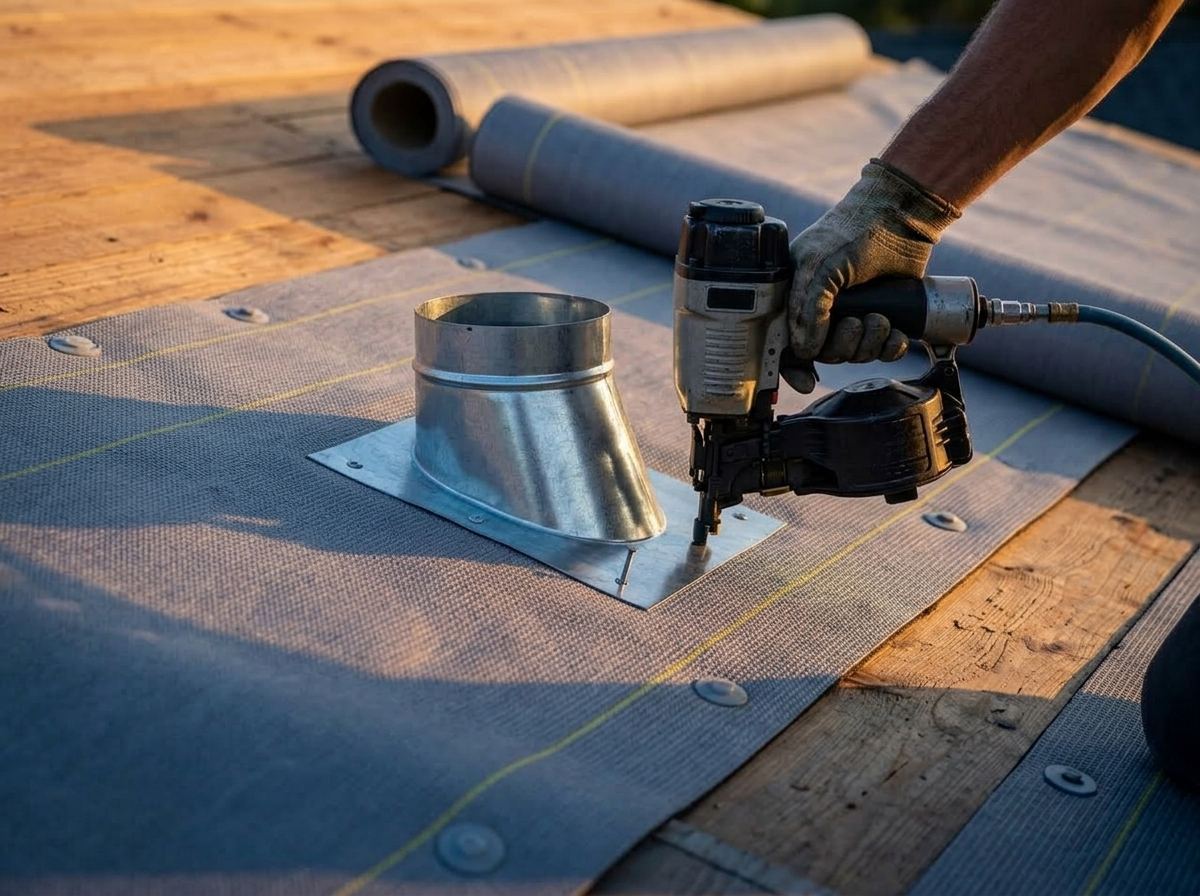
Step 5 of 6
Dry in the roof correctly, then build the details with discipline.
This is where long-term performance is won or lost. Best practice puts major emphasis on roof deck protection, flashing at penetrations and transitions, drip-edge function at the perimeter, and balanced intake and exhaust ventilation.
- Install the specified underlayment flat and in sequence, with reinforced protection in critical areas
- Treat valleys, walls, chimneys, skylights, and penetrations as high-risk zones
- Install edge metal and the specified fasteners, and plan balanced intake and exhaust ventilation
Step 6 of 6
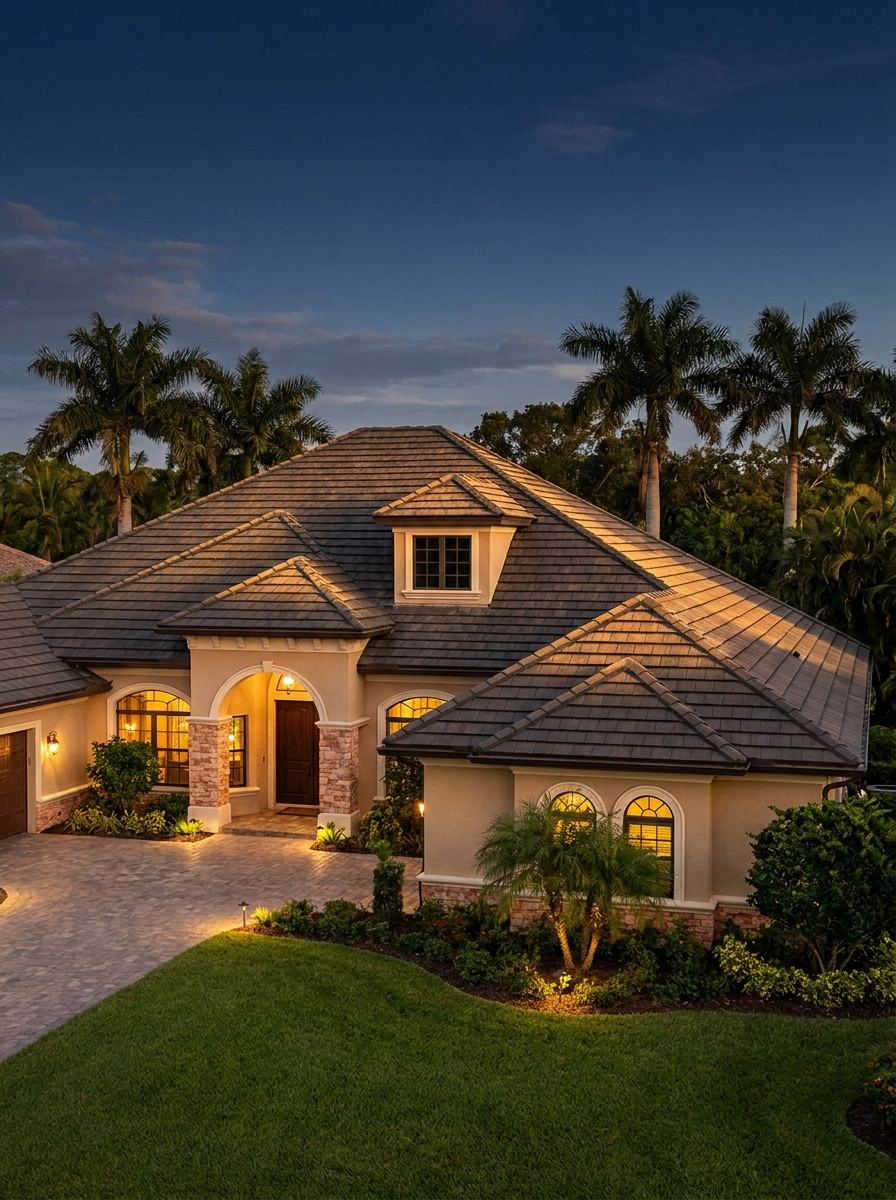
Install the finish system cleanly and close out the job like a real company.
The homeowner remembers both the craftsmanship and the experience of the project.
- Install shingles or metal panels to specification, aligned cleanly with all detail components
- Complete debris removal, magnetic cleanup, drainage checks, and a final walkthrough
- Stay reachable after the job for questions, follow-up, and service needs
Now that you know how the work is done, the next step is a simple inspection.
Schedule an appointment and see the Hloska Roofing process in action on your own roof.